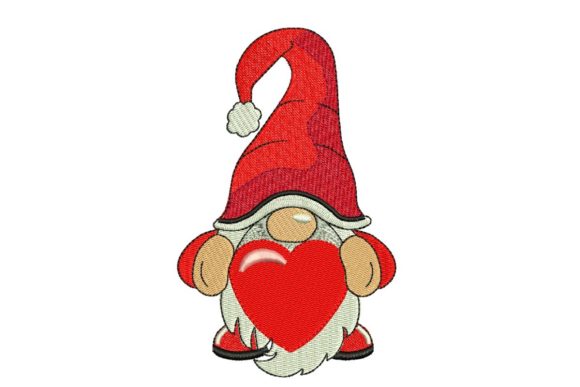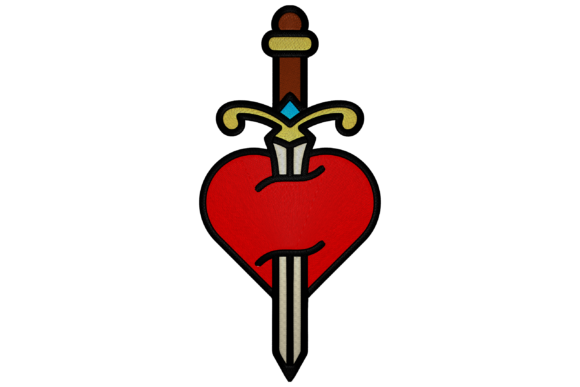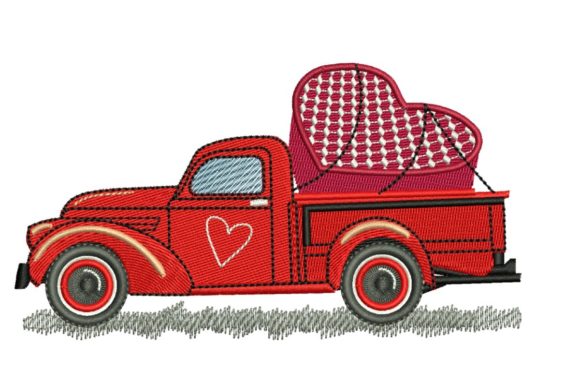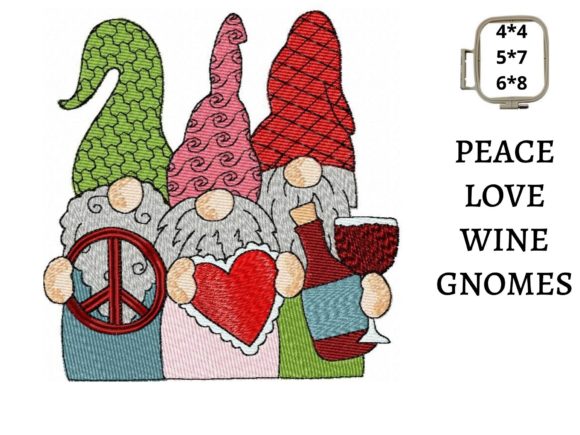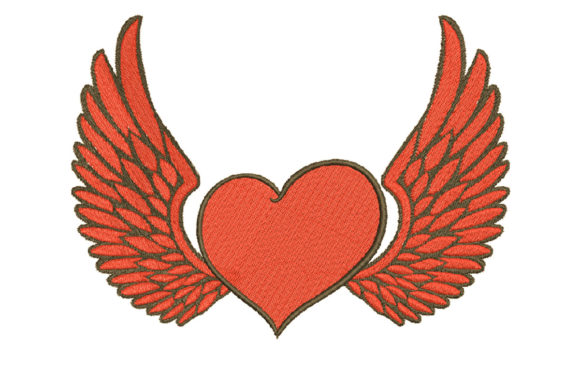
Heart Love Wings
A First Impression That Speaks Volumes
The first thing that catches the eye about Heart Love Wings is its romantic and elegant vibe. The design feels like a perfect blend of softness and boldness, ideal for Valentine’s Day themes. It carries a gentle yet meaningful message that resonates with customers looking for heartfelt gifts. The title itself hints at a balance between love and wings—symbolizing both affection and freedom, making it versatile for a wide range of products.
Where Heart Love Wings Shines on Craft Fair Products
Heart Love Wings has the potential to stand out on a variety of craft fair products. When placed on tote bags, aprons, and tea towels, it adds a touch of charm that appeals to both casual and romantic buyers. The design works especially well on fabric items that are frequently used in daily life, such as kitchen towels and market bags. Its presence on embroidered patches and caps also offers a compact, wearable option that can be easily paired with other accessories.
On display, Heart Love Wings should draw attention due to its visual appeal. It’s not overly busy, which makes it suitable for both small accents and larger focal points. For instance, using it as an embroidery on a pillow cover or a fabric pouch can elevate the product without overwhelming the overall design. The same goes for handmade gift boxes or printable mockups—Heart Love Wings can be the standout feature that makes a customer pause and consider purchasing.
Performance Across Product Types
Heart Love Wings performs well across multiple product types, but its effectiveness depends on how it's applied. On tote bags and aprons, the design looks great when embroidered in a central location, allowing it to be the main attraction. However, it may require careful placement on textured fabrics like towels, where stitch density could be affected by the fabric's surface.
For smaller items like embroidered patches or caps, Heart Love Wings needs to be scaled appropriately. It might lose clarity if printed too small, so it’s important to test the design on scrap fabric before final production. This ensures that the details remain clear and legible, even on tiny surfaces.
When creating Etsy listings or printable mockups, Heart Love Wings benefits from high-quality images that showcase the embroidery in different lighting conditions. A well-lit photo of the design on a white background will help potential buyers understand its appearance and quality. Additionally, including a few variations of the design on different fabric textures can give customers a better idea of its versatility.
Practical Considerations for Production and Selling
From a practical standpoint, Heart Love Wings is a good candidate for batch production. It doesn’t have dense stitch areas that would complicate the embroidery process, making it easier to replicate consistently. However, there are a few considerations to keep in mind. Tiny details and small lettering might require careful attention during setup, especially on dark fabrics where contrast is essential for visibility.
Using the right stabilizer is crucial for maintaining the integrity of the design, particularly on thick or textured materials. Testing the embroidery file on scrap fabric before full-scale production helps identify any issues with thread color contrast, spacing, or hoop size. It’s also important to confirm the commercial licensing terms to ensure that the design can be sold as a finished product.
For small shop owners and Etsy sellers, Heart Love Wings offers a great opportunity to create a cohesive brand identity. It can be used across various product lines, from handmade gifts to booth samples, reinforcing consistency and recognition. The design’s adaptability means it can be reimagined in different sizes and formats, enhancing its marketability.
Design Notes for Embroidery Designers
As an experienced embroidery designer, I recommend testing Heart Love Wings on a variety of fabric types to see how it holds up. Checking thread colors against the fabric background is essential for ensuring visibility and aesthetic appeal. Confirming the hoop size and stitch density beforehand can prevent issues during the embroidery process.
Creating at least one real mockup is a must. It allows you to visualize how the design will look in person and make any necessary adjustments before mass production. Comparing the design assets with the intended fabric colors helps in selecting the best combination for each product type.
Finally, always review the commercial licensing details before selling the finished product. Ensuring that the design is properly licensed protects both the seller and the buyer, and helps maintain the quality and authenticity of the handmade product.